

Expressing Anger in a Healthy Way: Tools for Safe and Honest Relationships
Anger is one of the most misunderstood emotions in relationships. Many people are taught—directly or indirectly—that anger is dangerous, shameful, or a sign of being “too much.” As a result, anger often gets suppressed, misdirected, or expressed in ways that cause harm rather than clarity.
Yet psychologically speaking, anger itself is not the problem. Anger is information. It signals boundary violations, unmet needs, or moments where something feels unfair or unsafe. Learning how to express anger in a healthy way is essential for building relationships rooted in honesty, trust, and emotional safety.
What Does Healthy vs. Unhealthy Anger Look Like in Relationships?

Image credit: Illustration by iStock, counselingrecovery.com
Healthy anger is assertive, clear, and proportionate to the situation. It aims to restore balance, not dominate or punish. Unhealthy anger, on the other hand, often overwhelms the nervous system and disrupts connection.
Healthy anger tends to look like:
-
Naming feelings without attacking character
-
Staying connected to the present issue
-
Expressing needs or boundaries directly
-
Allowing room for dialogue and repair
Unhealthy anger often shows up as:
-
Explosive outbursts or yelling
-
Passive-aggressive behavior or withdrawal
-
Chronic resentment or bitterness
-
Blaming, shaming, or emotional intimidation
From a relational standpoint, healthy anger strengthens trust because it brings hidden tensions into the open. Unhealthy anger erodes safety by making connection feel unpredictable or threatening.
Why Do People Suppress, Explode, or Misinterpret Anger?
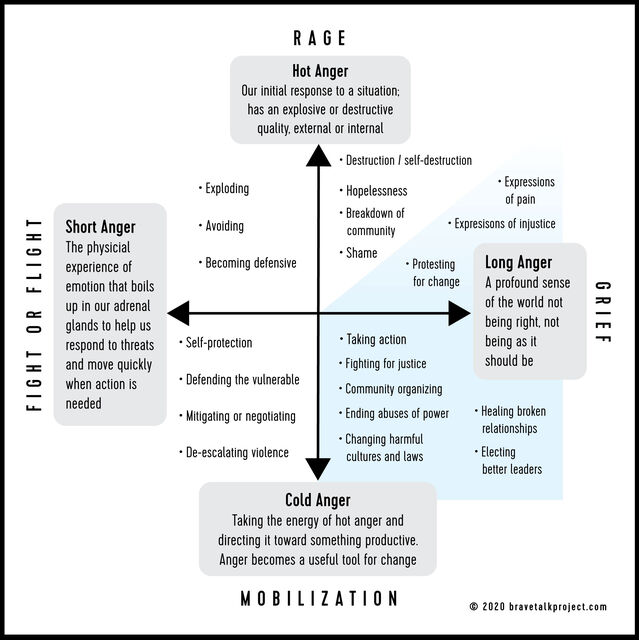
People don’t struggle with anger because they are “bad at emotions.” Most difficulties with anger stem from early learning and nervous system conditioning.
Common reasons anger gets distorted include:
-
Early messages about anger: Many people grew up in environments where anger was punished, ignored, or modeled in unsafe ways.
-
Fear of abandonment: Expressing anger can feel risky if someone learned that conflict leads to rejection or loss of connection.
-
Nervous system dysregulation: When the body moves into fight, flight, or shutdown, anger can come out explosively—or disappear entirely.
-
Mislabeling emotions: Anger is often a secondary emotion that protects more vulnerable feelings like hurt, fear, or grief.
Because of this, anger may be suppressed until it leaks out sideways, or it may erupt suddenly when the system becomes overwhelmed. Supportive frameworks such as mindfulness coaching can help people notice anger earlier, before it escalates or turns inward.
How Can You Communicate Anger Clearly Without Causing Harm?
Healthy anger communication is less about perfect wording and more about regulation, timing, and intention. When the nervous system is relatively calm, anger can be expressed without escalating conflict.
Some evidence-informed tools include:
1. Regulate Before You Communicate
If your body feels flooded—racing heart, shallow breath, clenched jaw—pause first. Regulation allows anger to be expressed with clarity instead of reactivity.
2. Speak From Experience, Not Accusation
Use language that centers your internal experience:
-
“I felt dismissed when…”
-
“I noticed I became frustrated because…”
This reduces defensiveness and keeps the conversation grounded.
3. Name the Need or Boundary
Anger often points to something important:
-
A boundary that was crossed
-
A value that matters deeply
-
A need that hasn’t been met
Clarity about the why beneath the anger helps prevent harm.
4. Stay With One Issue at a Time
Bringing up old resentments can overwhelm both people. Focus on what’s happening now and what would help restore safety.
For many, practicing these skills within individual therapy creates a safer space to understand personal anger patterns. Others benefit from relational work with a relationship therapist online, where anger can be explored in the context of real connection and repair.
Why Healthy Anger Strengthens Relationships
When anger is expressed honestly and safely, it becomes a force for intimacy rather than rupture. Healthy anger allows relationships to evolve instead of stagnate. It signals that someone cares enough to be real—and trusts the relationship enough to risk honesty.
Over time, learning to work with anger supports:
-
Stronger emotional boundaries
-
Increased self-respect
-
More authentic connection
-
Greater emotional resilience
Anger doesn’t have to destroy closeness. When handled with awareness and care, it can deepen it.
Frequently Asked Questions
Q1: What does healthy anger look like in a relationship?
A: Healthy anger is expressed calmly and directly, without blame or intimidation. It focuses on specific behaviors or situations rather than attacking a person’s character. Healthy anger allows space for dialogue, repair, and understanding, helping both partners feel heard while maintaining emotional safety.
Q2: Why do some people suppress or explode with anger?
A: Anger suppression or explosive expression often develops as a protective response shaped by early experiences. If anger was unsafe or punished in the past, people may suppress it to preserve connection. Others may explode when their nervous system becomes overwhelmed. Both patterns are adaptive responses, not character flaws.
Q3: How can I express anger without hurting my partner?
A: Start by regulating your nervous system before speaking. Use “I” statements to describe your experience, stay focused on the present issue, and clearly name your needs or boundaries. Healthy anger communication prioritizes honesty while maintaining respect, making repair and understanding more possible.
